
The Titanic and Halifax: A Historic Connection That Still Resonates Today

Titanic and Halifax: A Powerful Historical Connection
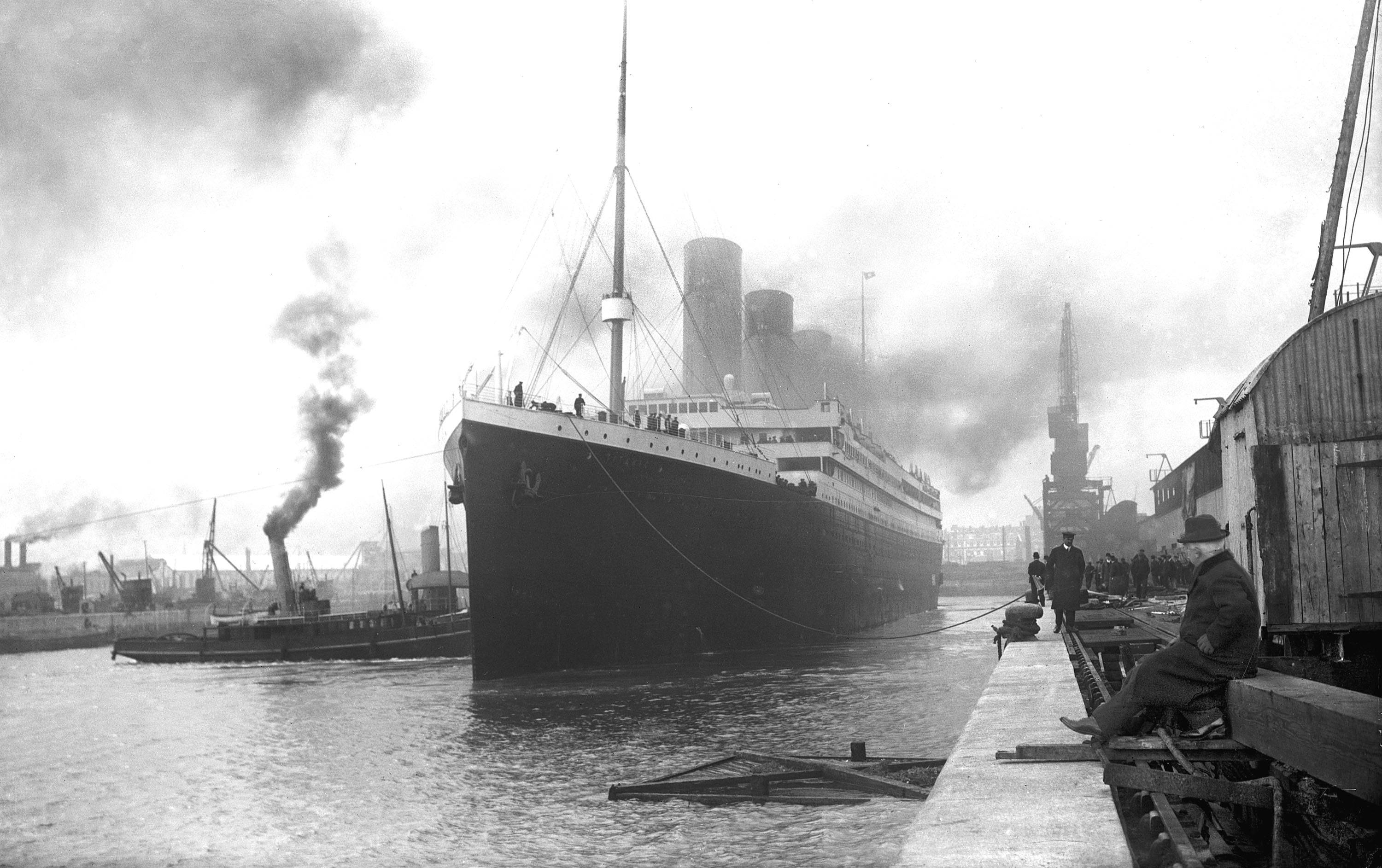
The tragic story of the RMS Titanic is known around the world, but few people realize the important role that Halifax played after the disaster.
When the Titanic struck an iceberg and sank on April 15, 1912, more than 1,500 passengers and crew lost their lives. Halifax, the closest major port to the disaster site, became the center of recovery operations. Ships from Halifax, including the CS Mackay-Bennett, were sent to the North Atlantic to recover victims and debris from the ocean.
Many of those who were recovered were brought back to Halifax, where the city organized identification efforts and burials. Today, 150 Titanic victims are buried across three Halifax cemeteries, with the largest number resting at Fairview Lawn Cemetery.
Visitors from around the world come to Halifax to see the Titanic graves and learn about the city’s role in the aftermath of the tragedy. The curved rows of headstones at Fairview Lawn Cemetery are a powerful reminder of the human stories behind the disaster.
Visit the Titanic Cemetery on Our Halifax Tour
On the Peggy’s Cove, Lunenburg, and Titanic Cemetery Full-Day Tour, guests have the opportunity to visit Fairview Lawn Cemetery, where many Titanic victims were laid to rest.
During this stop, visitors can walk among the historic graves, hear the stories behind the disaster, and gain a deeper understanding of Halifax’s connection to the Titanic.
It’s a meaningful and unforgettable experience that adds powerful historical context to your visit to Halifax.
About the Author

Related Posts

Peggy’s Cove Travel Guide: What to Know Before You Go

How to Get There: Peggy’s Cove from Nearby Cities

Beyond the Lighthouse: Unique Things To Do at Peggy’s Cove
Bluenose II: Nova Scotia’s Floating Symbol of Pride and Heritage
Best Time to Visit Nova Scotia: A Complete Seasonal Guide